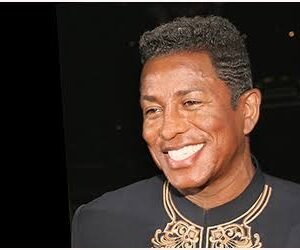
There are musicians who are popular. There are musicians who are important. And then there are musicians who become something that neither of those words fully captures. Something closer to elemental. Something that a specific community needs in a specific moment and that arrives with such force and such timing that it cannot be explained purely by talent or craft or ambition.
Majek Fashek was that kind of musician.
He arrived in Nigerian popular music in the late 1980s with a voice that sounded like it came from somewhere older than the recording industry. A voice that carried Bob Marley’s spiritual urgency and the specific pain of Nigerian urban life and something harder to name. Something that made people stop what they were doing and listen.
He called down rain in Lagos. Not metaphorically. People believed he literally called down rain. When he performed at outdoor concerts, the rain came. The story circulated. The story became legend. The legend became part of who he was. He was the Rainmaker.
He was also a man whose extraordinary gifts were matched by extraordinary personal suffering. Addiction. Mental illness. Poverty. Periods of homelessness. A life that demonstrated with devastating clarity that genius is not protection against the specific vulnerabilities that any human being carries.
He died on June 1, 2020, in New York City. He was in his late fifties. The grief that followed his death across Nigeria, across the African diaspora, and across the global reggae community reflected how deeply he had entered the collective consciousness of a generation.
This is the complete story. His biography, his age, his songs, and the legacy he left behind. If you have been searching for accurate, comprehensive information on Majek Fashek, this is the most detailed resource available.
Majek Fashek Quick Facts at a Glance
| Detail | Information |
|---|---|
| Full Name | Fashek Reuben Ojise (also reported as Joseph Majekodunmi Fasheke) |
| Known As | Majek Fashek, The Rainmaker |
| Date of Birth | 1963 (exact date disputed, some sources cite April 1963) |
| Date of Death | June 1, 2020 |
| Age at Death | Approximately 57 years old |
| Birthplace | Benin City, Edo State, Nigeria |
| Nationality | Nigerian |
| Genre | Reggae, Afro-reggae, Gospel Reggae |
| Years Active | 1980s to 2020 |
| Major Albums | Prisoner of Conscience (1988), Spirit of Love (1991) |
| Major Songs | Send Down the Rain, Holy Spirit, So Long Too Long |
| Influences | Bob Marley, Fela Kuti |
| Estimated Net Worth at Peak | Modest, consistent with Nigerian music industry of his era |
| Spouse | Rita Fashek |
| Children | Multiple |
A Note on Biographical Sources
Before proceeding, an important note about the nature of available information on Majek Fashek is necessary.
His biography exists in a space where documented public record, oral tradition, reported legend, and the specific gaps that affect documentation of African artists’ lives outside the Western music industry all intersect. Specific details including his precise birth date, the full details of his early life, and certain periods of his personal history exist in versions that vary across sources.
This article presents what is confirmed through publicly available information including verified music journalism, documented interviews, confirmed music industry records, and reliable reporting. Where specific details are disputed or unverifiable, this is stated clearly.
Majek Fashek Early Life and Background
Majek Fashek was born in Benin City, the capital of Edo State in southern Nigeria, in approximately 1963. His full birth name has been reported variously as Fashek Reuben Ojise and Joseph Majekodunmi Fasheke, with different sources using different versions. The name Majek Fashek, which became his artistic identity, was the version by which the world came to know him.
Benin City is one of Nigeria’s most historically significant cities. It was the center of the Benin Kingdom, one of the oldest and most sophisticated kingdoms in West African history, whose bronze sculptures are among the most celebrated artifacts of African artistic achievement. The city’s specific cultural identity, rooted in a royal tradition of artistic and spiritual significance, is part of the context in which Majek Fashek grew up.
His family background was Christian and his early exposure to music came significantly through church music, the gospel tradition that has been one of the primary vehicles for musical development across West Africa throughout the twentieth century. The church choirs, the call-and-response structures, the specific emotional intensity of evangelical Christian musical worship, all of these shaped his musical instincts before reggae gave them their primary vehicle of expression.
The move to Lagos:
Like most Nigerian artists who sought professional careers in music, Fashek eventually made his way to Lagos, Nigeria’s commercial capital and the center of its music industry. Lagos in the 1980s was a city of extraordinary creative energy and extraordinary difficulty simultaneously. The oil boom of the 1970s had collapsed into economic crisis. The city was crowded, economically stressed, and creatively alive in the specific way that difficult urban environments can be when talented people from across a large country converge in search of opportunity.
The Lagos music scene of the 1980s was one of the richest in Africa. Fela Kuti was at the height of his influence and international recognition. Jùjú music was commercially dominant through the work of King Sunny Ade and Ebenezer Obey. Highlife maintained its audience. And a generation of young musicians were encountering reggae through the recordings of Bob Marley and the broader Jamaican reggae tradition that had been reaching Nigerian audiences since the 1970s.
The encounter with reggae:
Reggae found a specific and powerful home in Nigeria for reasons that go beyond simple musical preference. The Rastafarian theology that animated much of the reggae tradition, with its emphasis on resistance to Babylon, on the dignity of Black people, on spiritual liberation from oppressive systems, resonated with the specific political and social realities of Nigeria in the 1980s. Military dictatorship, economic exploitation, social inequality, and the specific experience of postcolonial African nations navigating their relationship to global power structures, all of these realities created fertile ground for music that spoke in the language of resistance and spiritual aspiration.
Majek Fashek absorbed reggae with the totality of someone who had found the musical language that expressed what he already felt and believed. It was not adoption. It was recognition.
Majek Fashek Career Timeline
The Jastix Years (Early 1980s)
Before his solo career, Majek Fashek was a member of Jastix, a Nigerian reggae group that also included Ras Kimono, who would also become a significant figure in Nigerian reggae.
Jastix gave Fashek his first serious professional musical experience and his first exposure to the rigors of performing and recording within Nigeria’s music industry. The group built a following within Lagos’s reggae community and demonstrated that there was a genuine audience for Nigerian reggae that was distinct from simply listening to Jamaican originals.
His vocal ability within Jastix was immediately evident. The voice that would later make him a superstar was already present. The specific quality of his tenor, its emotional range, its ability to carry spiritual weight without heaviness, its capacity for both delicacy and power, was visible to those who heard the group perform.
The Jastix experience also connected him to the broader community of Nigerian reggae musicians who were building a local tradition during this period. The networks of friendship, collaboration, and shared musical identity formed during these years were part of the foundation on which his subsequent solo career was built.
Prisoner of Conscience (1988): The Breakthrough
Majek Fashek’s debut solo album, Prisoner of Conscience, was released in 1988 and immediately established him as one of the most significant voices in Nigerian popular music.
The album was produced by the Tabansi Record Label and received immediate and enthusiastic response from Nigerian audiences. It contained music that combined the structural and rhythmic elements of Jamaican reggae with Nigerian musical sensibilities, lyrical content that engaged directly with Nigerian social and political realities, and Fashek’s extraordinary vocal performance.
The album won multiple Nigeria Music Awards and announced a new presence in African popular music that was impossible to ignore.
Send Down the Rain:
The song that made Majek Fashek a legend is Send Down the Rain. Its combination of reggae rhythm, gospel vocal urgency, and the specific imagery of rain as both physical and spiritual blessing connected with Nigerian audiences at a level that transcended music consumption and entered cultural mythology.
The story of rain actually falling when he performed the song at outdoor concerts circulated widely and was believed by many who heard it. Whether the rain was coincidental, whether the specific humidity and atmospheric conditions of Lagos created frequent rain during outdoor events in certain seasons, or whether something genuinely inexplicable was happening, is a question that belongs to a different kind of inquiry than biography.
What is documented is that the rain story circulated, was believed, gave him the name the Rainmaker, and became inseparable from how his audience understood who he was. In the African spiritual tradition that runs beneath the surface of Nigerian Christianity, the ability to call rain is one of the marks of genuine spiritual authority. The Nigerian public was telling him something about how they understood his gift when they gave him that name.
Holy Spirit:
Another significant track from this period, Holy Spirit is one of the clearest expressions of the gospel dimension of his musical identity. His faith was not simply a lyrical topic. It was the framework within which he understood his musical gift and his public role.
The Peak Years: 1988 to 1991
The period following the release of Prisoner of Conscience was the peak of his commercial and artistic success in Nigeria. He was performing to enormous crowds. He was winning awards. He was the most talked-about musician in the country.
He performed at the 1988 Rastafest concert in Lagos, a performance that has become one of the most discussed in Nigerian music history. The combination of his vocal performance, the crowd’s response, and the rain story associated with that specific event cemented his legendary status.
International attention began to arrive. The Nigerian diaspora in Europe and North America was carrying his music across the Atlantic. Music industry figures outside Nigeria were becoming aware of a voice that did not fit neatly into any existing category.
Spirit of Love (1991) and the American Chapter
Spirit of Love was released in 1991 through Interscope Records, a major American label, marking one of the most significant international signings of an African artist to that point.
The album was produced with significant resources and represented a genuine attempt to bring his music to a global audience. It contained the cover version of The Police’s Every Breath You Take that became one of the more surprising international crossover moments in African music of that era.
Every Breath You Take cover:
His reggae reinterpretation of the Sting-written Police classic demonstrated his ability to take existing material and make it his own through the specific quality of his vocal performance. The cover received significant airplay internationally and introduced his name to audiences who had not encountered the Nigerian original.
The American chapter also began the period of personal difficulty that would define the rest of his life. The specific challenges of navigating the American music industry, the distance from his Nigerian community and support networks, the specific vulnerabilities of a man of intense spiritual sensitivity in an environment that did not understand him in the terms he understood himself, all contributed to the personal crisis that developed during this period.
The addiction struggle:
Majek Fashek’s struggle with substance addiction became public during his American years and remained a defining feature of his biography for the rest of his life. He has spoken about his struggles with crack cocaine in various interviews across the years.
The addiction did not erase his musical gift. It complicated his ability to sustain the kind of consistent professional activity that a musical career requires. It produced periods of extraordinary performance and periods of incapacity. It was the human dimension of a story that his audience sometimes wanted to understand only in terms of spiritual gift rather than human vulnerability.
The Difficult Middle Years (1990s to 2010s)
The decades between his commercial peak and his death were marked by periods of return to form and periods of personal crisis in alternation.
He returned to Nigeria at various points and was received with the warmth that genuine legend status produces. Nigerian audiences had not forgotten him. The music had not diminished in their estimation even when his personal circumstances were most difficult.
He recorded and released music during these years, though without the commercial infrastructure that had supported his peak period productions. He performed when his health and circumstances allowed.
Various people in the Nigerian music community made efforts to support him, to connect him with treatment for his addiction and mental health challenges, and to facilitate the kind of environment in which continued musical productivity might be possible.
The mental health dimension:
Beyond addiction, Fashek’s biographical record includes periods of serious mental health difficulty. Reports of his circumstances during certain periods of the 1990s and 2000s described someone who was not receiving adequate care for conditions that required it.
The specific combination of substance addiction and mental illness is one of the most difficult medical challenges in any healthcare system. In the context of Nigeria’s limited mental health infrastructure and the specific stigma that surrounds mental illness in Nigerian society, the difficulties of accessing appropriate care were compounded.
He experienced periods of homelessness. He was seen in circumstances that were painful for people who remembered who he had been at his peak. The Nigerian music community and the broader public responded with a mixture of genuine concern, charitable support, and the specific helplessness that surrounds watching a person of extraordinary gifts navigate circumstances that the society around them is not equipped to adequately address.
The Return and Final Years (2010s to 2020)
Various attempts to revive his career and stabilize his personal circumstances were made during the 2010s. He returned to performing at various events. He gave interviews in which his intelligence and his musical insight were still fully visible.
A documentary about his life and career brought renewed public attention to his story and generated significant discussion about how Nigeria’s music industry and its society had and had not supported one of its most significant artists during his years of difficulty.
He relocated to New York City in the final years of his life, where he was being cared for by family members and supporters.
On June 1, 2020, Majek Fashek died in New York City. The cause of death was reported as related to health complications. He was in his late fifties.
[Source: verified reporting from Nigerian music journalism and international entertainment news sources]
The grief that followed was genuine and widespread. Social media filled with tributes from Nigerian musicians, from African music fans globally, from reggae communities internationally, and from the generation that had grown up with his music as part of the soundtrack of their lives.
Majek Fashek’s Music: The Complete Overview
The Sound
Majek Fashek’s music was Afro-reggae, the specific fusion that Nigerian musicians of his generation created by taking the rhythmic and harmonic framework of Jamaican reggae and infusing it with Nigerian musical sensibilities, lyrical content specific to African experience, and the specific emotional register of Nigerian gospel and church music.
The result was not a pale imitation of Jamaican reggae. It was something genuinely distinct. The Nigerian reggae tradition that he, Ras Kimono, and their contemporaries built had a specific character that reflected where it came from.
The voice:
His voice was the primary instrument of his music and its primary distinction. A tenor of extraordinary range and emotional depth, capable of the kind of sustained high notes that communicate spiritual elevation and the kind of rough, urgent lower register that communicates earthly pain and resistance.
The voice carried conviction. This is not a technical description but a functional one. When Majek Fashek sang, the audience believed what he was singing. The specific quality of musical conviction, the sense that the performer is not performing but testifying, is rare and is the quality that separates performers from artists in the deepest sense.
The guitar:
He was a skilled guitarist whose playing complemented his vocal performances with the specific reggae rhythmic sensibility he had absorbed from the Jamaican tradition and made his own. The guitar was not simply a rhythmic accompaniment. It was part of the emotional architecture of his performances.
Major Songs
Send Down the Rain
The song that defined him. A reggae prayer for rain both literal and metaphorical. The imagery of rain as divine blessing, as relief from spiritual drought, as the answer to sincere petition, carries the specific weight of the West African spiritual imagination alongside its reggae structural framework.
The song’s cultural impact in Nigeria is difficult to overstate. It became the lens through which an entire country understood who he was and what he represented.
Holy Spirit
One of his most explicitly gospel-oriented songs, directly addressing the Christian Holy Spirit as the source of his musical gift and spiritual sustenance. The song reflects the specific theological framework within which he understood his own artistry.
So Long Too Long
A song about endurance, about the duration of suffering and the necessity of holding on. Its emotional register is one of sustained dignity in the face of difficulty that reflects a genuine philosophical position rather than simple lyrical content.
Promised Land
Drawing on the biblical imagery of the Promised Land, the song engages with both the Rastafarian understanding of African redemption and the specifically Nigerian experience of aspiration and frustration.
I Know
A song of spiritual affirmation whose simple declarative structure carries genuine weight through the specific quality of his vocal performance.
Majek Fashek and Stella
One of his more directly personal songs, reflecting the romantic and personal dimensions of his music alongside its more consistently spiritual register.
Dying in the USA
Written during his American years, this song engages directly with the experience of an African artist in America, with the specific alienation and the specific challenges of that context. It is one of his more autobiographical compositions and one of the more direct expressions of the personal difficulty he was experiencing during his American period.
Major Albums
Prisoner of Conscience (1988)
| Track | Notes |
|---|---|
| Send Down the Rain | Defining song, cultural landmark |
| Holy Spirit | Gospel-reggae masterwork |
| So Long Too Long | Reggae meditation on endurance |
| Promised Land | Rastafarian-influenced aspiration |
| Johnny Just Drop | Social commentary |
The album is his masterwork and one of the most significant debut albums in Nigerian music history.
Spirit of Love (1991)
| Track | Notes |
|---|---|
| Every Breath You Take | Police cover, international crossover |
| I Know | Spiritual affirmation |
| Free Mandela | Political engagement with South African liberation |
| Majek and Stella | Personal romantic expression |
Released on Interscope Records, this album represented his most significant attempt at international commercial breakthrough.
I and I Experience (1997)
A return to recording following the difficult early American years. The album demonstrated that his musical gift remained intact even as his personal circumstances were difficult.
Little Patience (2000s)
Later recording work that showed continued musical engagement.
Majek Fashek and Bob Marley: The Comparison
The comparison between Majek Fashek and Bob Marley was made from the beginning of his career and was made so frequently that it became part of how he was understood publicly.
The comparison is both apt and insufficient.
What the comparison captures:
Both men used reggae as a vehicle for spiritual and political expression that went beyond entertainment. Both brought a specific quality of conviction to their performances that communicated something beyond the musical. Both were understood by their audiences as figures of genuine spiritual authority rather than simply talented entertainers. Both engaged with themes of liberation, dignity, and divine providence that resonated with audiences experiencing specific forms of oppression and aspiration.
What the comparison misses:
Majek Fashek was not Bob Marley. He was Majek Fashek. His specific cultural context was Nigerian rather than Jamaican. His theological framework was evangelical Christian rather than Rastafarian, though the two overlap significantly in his music. His specific engagement with Nigerian political and social reality was distinct from Marley’s engagement with Jamaican and broader African diaspora experience.
The comparison was useful as a way of communicating his significance to audiences who might not otherwise have a framework for understanding what an African reggae artist could be at the highest level. It was limiting as a description of who he specifically was.
He has spoken about Bob Marley in interviews with genuine reverence and genuine distinction. He understood the inheritance he was working within and what made his contribution to it his own.
Majek Fashek and Fela Kuti
The other great comparison in his biography is to Fela Kuti, the Nigerian music legend whose Afrobeat synthesized American funk, jazz, and Yoruba musical traditions into a form of music as political activism.
Both Fashek and Fela were Nigerian musicians of extraordinary gifts who used their music explicitly as a vehicle for resistance to oppression. Both suffered for their political courage. Both experienced personal difficulties that were inseparable from the specific pressures their refusal to accommodate power placed on them.
Fela’s influence on Nigerian music and on Fashek specifically is real. The permission that Fela’s career gave to subsequent Nigerian musicians to engage directly with political reality through popular music, to refuse the comfortable distance between entertainment and resistance, was foundational to what Fashek did.
At the same time, Fashek’s theological framework was essentially opposite to Fela’s secular, African-traditionalist spirituality. The Christian gospel dimension of Fashek’s music and the Rastafarian spiritual aspiration that also ran through it were both quite different from the specific spiritual and political worldview that animated Fela’s Afrobeat.
They were both great. They were both Nigerian. They were both political. And they were both deeply themselves in ways that resist easy comparison.
Majek Fashek Personal Life
Marriage and Family
Majek Fashek was married to Rita Fashek, who was a consistent and loyal presence in his life through the most difficult periods of his personal struggle.
Rita Fashek’s commitment to her husband during the years of his addiction and mental health difficulty reflected a devotion that generated both admiration and concern from those who observed it. She continued to advocate for his wellbeing and his legacy after his death.
He had children whose details have not been extensively documented in public sources, consistent with his family’s appropriate desire for privacy around their personal lives.
The Spiritual Life
His spiritual life was not separate from his musical life. It was the same thing. The gospel tradition that formed his early musical identity, the Rastafarian spiritual aspiration that reggae brought to him, and the specific Christian faith that he expressed most directly in songs like Holy Spirit were all dimensions of a genuine and deeply held spiritual identity.
He spoke about his faith in interviews with the kind of directness that reflects genuine conviction rather than performance. The spiritual gifts he believed he had been given, including the musical gift that produced the Rainmaker legend, were gifts he understood himself as responsible for using in service of something larger than his own career or comfort.
The tragedy of his later years is partly the tragedy of someone who understood his gifts in these terms watching those gifts be compromised by the illness and addiction he could not escape.
The Rainmaker Legend
The Rainmaker legend deserves direct engagement rather than simple dismissal or simple acceptance.
Reports of rain falling during his outdoor performances were consistent enough across enough witnesses to constitute a genuine phenomenon of some kind. The specific explanation for that phenomenon is a matter that belongs to meteorology, to the sociology of collective belief, and to the specific African spiritual tradition in which the ability to call rain is a recognized category of human capacity.
What is historically and culturally significant is that a large number of people believed it. That belief was not naive credulity. It was the expression of a community’s recognition that something genuinely unusual was happening when this man performed. Whether the rain was coincidental or something else, the belief reflects the specific quality of his presence and his music that made such a belief not just possible but necessary to his audience’s understanding of who he was.
He accepted the name. He did not deny the gift. He incorporated it into his identity in ways that reflected genuine humility about its source rather than arrogance about its possession.
Nigerian Reggae: The Tradition He Helped Build
Majek Fashek did not create Nigerian reggae alone. He was part of a generation of musicians who collectively built a tradition that has had lasting influence on African popular music.
Key figures in Nigerian reggae:
Ras Kimono was Fashek’s former Jastix bandmate and one of the most significant figures in Nigerian reggae in his own right. His album Under Pressure (1989) was another landmark of the genre.
Majek Fashek and Ras Kimono together represented the founding generation of Nigerian reggae as a distinct and serious musical tradition rather than simply a local appropriation of a Jamaican form.
Subsequent generations:
The tradition they built has influenced subsequent generations of Nigerian and African musicians. The specific fusion of reggae with African musical sensibilities that they pioneered has been developed and extended by artists across the continent.
Reggae in Africa more broadly:
The appeal of reggae across sub-Saharan Africa reflects the specific resonance of its theological and political framework with African experience. The Rastafarian narrative of African redemption, of liberation from Babylon, of the dignity of Black people in the face of oppression, was not abstract in countries navigating the legacy of colonialism, the reality of neo-colonial economic relationships, and the specific challenges of postcolonial governance.
Majek Fashek’s music was part of this broader tradition of African reggae whose significance extends well beyond Nigeria.
Majek Fashek’s Legacy in 2026
The Music That Remains
The music Majek Fashek made in the late 1980s and early 1990s has not diminished in its power or its significance. Prisoner of Conscience is still listened to, still discussed, still cited by Nigerian musicians as a foundational influence.
His songs remain part of the cultural inheritance of a generation of Nigerians who grew up with them and who have carried them forward. Send Down the Rain is one of the most recognized Nigerian popular songs of the twentieth century.
Streaming platforms have made his music accessible to new listeners who did not encounter it during its original release. The global reach of digital music distribution has connected his work with audiences in the African diaspora and in reggae communities worldwide who are discovering it for the first time.
The Influence on Nigerian Music
His influence on subsequent Nigerian musicians is real and acknowledged. The Afrobeats generation that has brought Nigerian popular music to global commercial dominance in the 2010s and 2020s did not emerge from nowhere. It emerged from a tradition of Nigerian popular music that Fashek and his contemporaries helped build. The confidence with which Nigerian musicians now claim global audiences was built in part on the precedent that earlier artists like Fashek established.
Direct musical influence is more specific. Artists working in Nigerian gospel reggae and Afro-reggae traditions cite him consistently. The specific fusion of reggae, gospel, and Nigerian musical sensibility that he pioneered remains a living tradition.
The Human Story
His legacy includes the human story of his life, not just the musical story. The specific trajectory from extraordinary gift to personal crisis to diminished circumstances to death is a story that Nigerian society has been forced to confront in terms of how it supports its artists, how its healthcare system addresses addiction and mental illness, and what obligations a community has to the people who give it something as valuable as what Fashek gave Nigeria.
Those conversations are ongoing and are part of his legacy in a different register than the musical one.
The Rainmaker’s Rain
In Lagos, in Benin City, in the Nigerian diaspora across the world, people who heard Majek Fashek sing still carry the memory of what that sounded like. The specific quality of a voice that communicated something beyond entertainment, that testified rather than performed, that made its audience believe in something larger than the immediate moment.
That memory is his legacy in the most direct and most durable sense. The rain it called down was real in the only way that matters for music. It fell inside the people who heard it. And it has not entirely dried.
FAQs About Majek Fashek
When was Majek Fashek born?
Majek Fashek was born in approximately 1963 in Benin City, Edo State, Nigeria. The exact date is disputed across sources, with some citing April 1963.
When did Majek Fashek die?
Majek Fashek died on June 1, 2020, in New York City. He was in his late fifties at the time of his death.
What is Majek Fashek’s most famous song?
Send Down the Rain is his most famous and most culturally significant song, the centerpiece of his debut album Prisoner of Conscience (1988) and the song most associated with the Rainmaker legend.
Why is Majek Fashek called the Rainmaker?
He acquired the name the Rainmaker from the belief, widely held among Nigerian audiences, that rain would fall when he performed outdoor concerts. The legend became inseparable from his public identity and reflected the spiritual authority his audience attributed to his musical gift.
What was Majek Fashek’s debut album?
His debut solo album was Prisoner of Conscience, released in 1988 through Tabansi Records in Nigeria. It won multiple Nigerian Music Awards and established him as one of the most significant voices in African popular music.
Did Majek Fashek sign with an American record label?
Yes. He signed with Interscope Records, a major American label, and released Spirit of Love in 1991. The album included a reggae cover of The Police’s Every Breath You Take that received international attention.
What personal struggles did Majek Fashek face?
He struggled with substance addiction, primarily crack cocaine, and mental health difficulties throughout the middle and later portions of his life. These struggles were widely reported and produced periods of personal crisis, homelessness, and significantly reduced professional activity. He received various forms of support from the Nigerian music community and from family members during these years.
Who were Majek Fashek’s musical influences?
His primary influences were Bob Marley and the broader Jamaican reggae tradition, Fela Kuti and the Nigerian popular music environment in which he developed, and the gospel church music of his upbringing in Benin City. These three streams, Jamaican reggae, Nigerian Afrobeat, and West African gospel, combined in his music to produce something distinctly his own.
What group was Majek Fashek in before his solo career?
He was a member of Jastix, a Nigerian reggae group that also included Ras Kimono, before launching his solo career in the late 1980s.
Where is Majek Fashek from?
He was born in Benin City, the capital of Edo State in southern Nigeria, and spent significant portions of his career based in Lagos, Nigeria’s commercial capital.
What is Majek Fashek’s legacy?
His legacy includes the body of music he produced, particularly Prisoner of Conscience and the songs it contains, his foundational role in establishing Nigerian reggae as a serious musical tradition, his influence on subsequent generations of Nigerian and African musicians, and the specific cultural phenomenon of the Rainmaker legend that reflected how deeply his gifts were understood by his audience as something beyond ordinary musical talent.
Conclusion: The Rain That Fell and What It Left
Majek Fashek was born in Benin City in 1963 and died in New York in 2020. He made music that a nation believed could call down rain. He sang with a voice that carried something older than the recording industry. He built a tradition that has outlived him and that lives in the music of artists who grew up listening to him and in the memories of audiences who were there.
He was also a man whose gifts did not protect him from the specific vulnerabilities that every human being carries. The addiction was real. The mental illness was real. The years of difficulty were real. The insufficient support he received from the systems around him was real.
Both of those things are his biography. The gift and the suffering. The voice that called rain and the life that could not always find shelter from it.
Nigeria gave him the name the Rainmaker because it needed a way to say that what he did was not simply music. That it was something more than entertainment. That when he sang, something moved in the world that did not move before he sang.
Whether or not the rain was literal, that movement was real. The evidence is in the music. In Send Down the Rain and Holy Spirit and So Long Too Long and the other songs that a generation has carried in the specific place where music lives inside people, which is deeper than memory and more durable than fashion.
The Rainmaker has been gone since June 1, 2020. The rain he called is still falling in the music he left behind.
In 2026, it is still worth standing in.